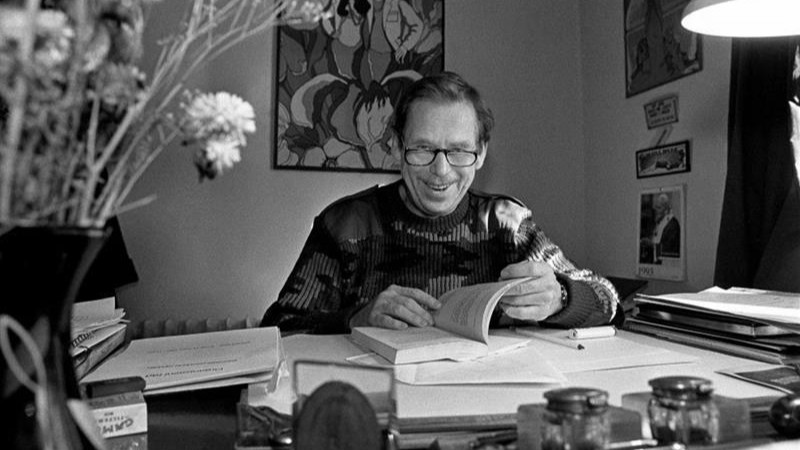
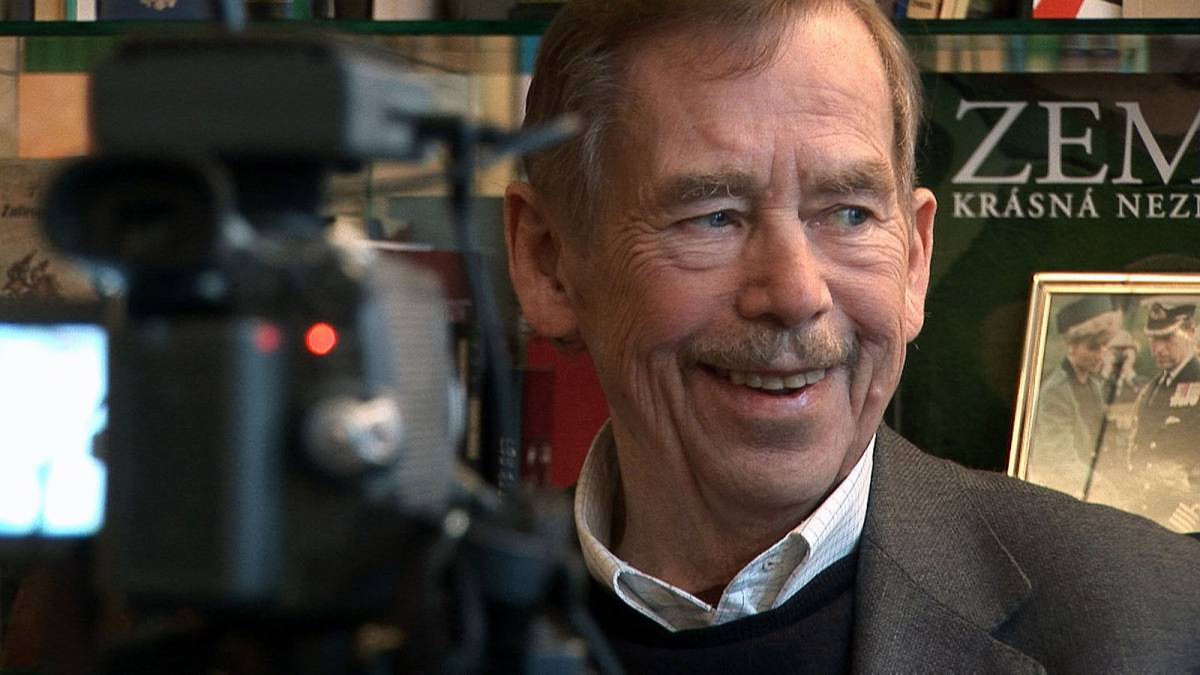
On the occasion of the 90th anniversary of the birth of Václav Havel, one of the most prominent figures of the European 20th century, the 30th Sofia International Film Festival in partnership with the Czech Center presents a special panorama of Czech films dedicated to the life, ideas and creative legacy of the playwright, dissident and statesman, who became a symbol of freedom and moral responsibility.
The panorama, provided with the assistance of the Czech Center in Sofia, brings together documentary portraits and feature films revealing Václav Havel in his complexity and contradictions - as a writer and intellectual, as a man of doubt and irony, as a president, invariably guided by his conscience.
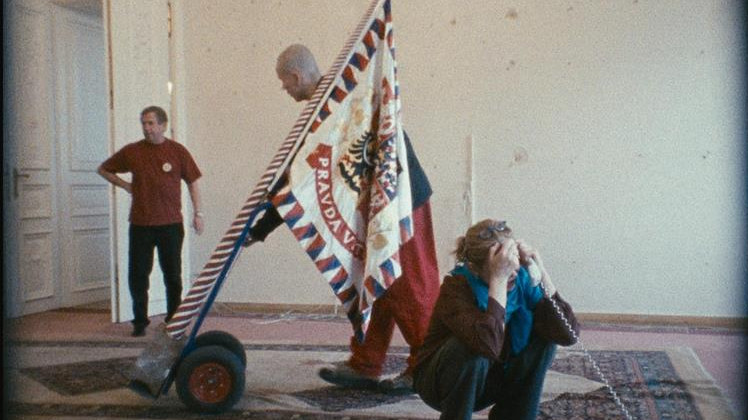
Among the film highlights is the remarkable documentary Citizen Havel (2007) by Pavel Koutecki and Miroslav Janek, offering unprecedented access behind the scenes of the presidential institution. Filmed over a period of more than ten years, the film traces Havel's first terms as president of the Czech Republic - a period marked by political compromises, personal doubts and the clash between moral ideal and real power. The camera captures Havel as a man in a process of constant hesitation and self-reflection - vulnerable, ironic, sometimes tired, but consistent in his belief that politics must obey ethics.
Václav Havel - Living in Freedom (2014) by Andrea Sedlačková presents a comprehensive portrait of Václav Havel, examining his life in a broader historical and cultural context. From his youth and his first theatrical successes, through dissident activities and years of repression, to his role as president and internationally recognized intellectual. The film emphasizes the idea of freedom as a moral responsibility, which Havel defended both in his texts and in his public actions. Through archival footage, interviews and historical analysis, Václav Havel - Living in Freedom builds an accessible but profound story about a man who turned personal risk into a public duty.
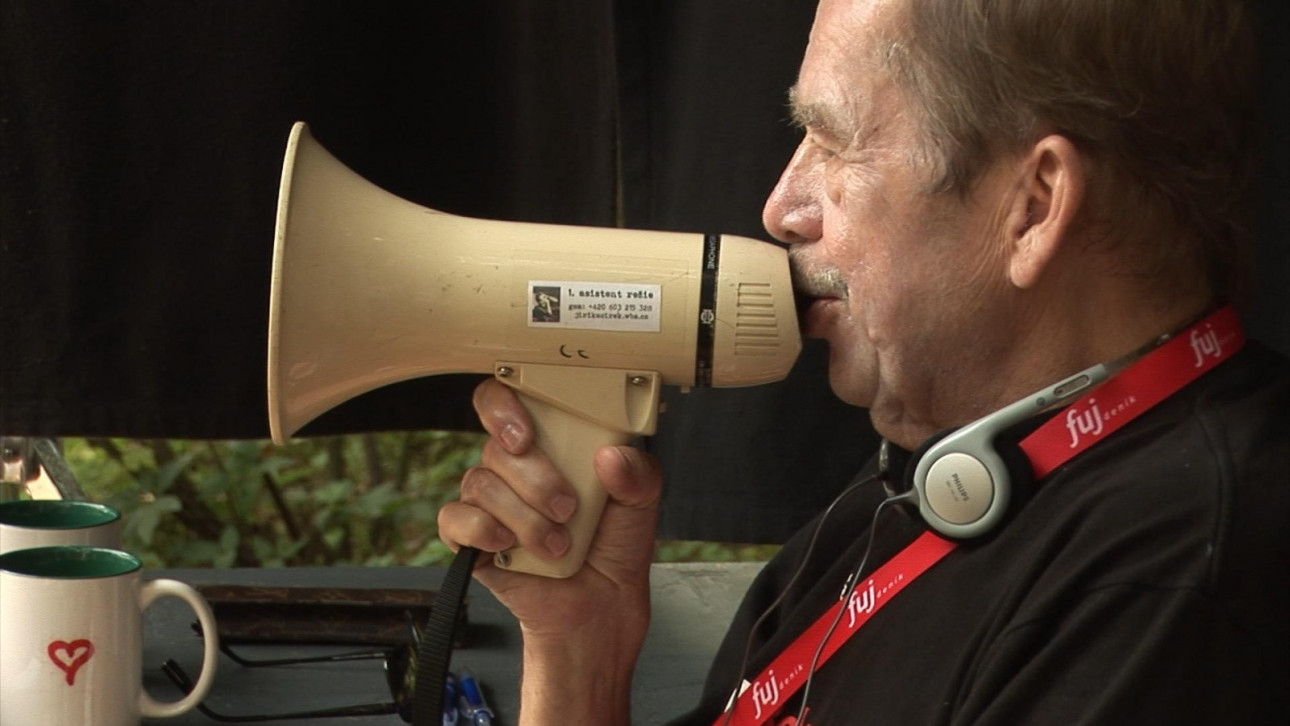
The latest documentary Havel Speaking, Can You Hear Me? (2023) by Petr Jančárek is a deeply personal and existential portrait of Václav Havel. Built on over 200 hours of archival footage shot in the last years of his life, the film reveals Havel far from the public image – as a man facing old age, illness, doubts and inevitable reckoning. Jančárek presents Havel as the “director of his own life” – with a sense of self-irony and a deep commitment to the idea that actions should be in harmony with conscience. The film received a strong international response.
The feature film part of the panorama includes screen adaptations of Havel's texts and films directly related to his dramaturgy and worldview.
Audience (1990) by the emblematic director Jiri Menzel and screenwriter Václav Havel is a screen adaptation of the first play from the so-called "Vanek Plays", in which the main character - a dissident writer - is forced to work in a brewery. His meeting with the master brewer develops into an absurd dialogue, oscillating between a "friendly conversation" and an interrogation. Audience is a classic example of Havel's absurdity, in which laughter and anxiety coexist. The direction of Jiri Menzel, one of Havel's closest creative associates, transforms the text into a powerful cinematic allegory of compromise, pressure and moral choice in a totalitarian society.
The Beggar's Opera (1991), written by Jiri Menzel and Václav Havel, and directed by Jiri Menzel, is a loose adaptation of John Gay's classic The Beggar's Opera, reinterpreted through Havel's political and aesthetic sensibilities. The world of criminal gangs, corruption, and hierarchies of power becomes a transparent allegory of a society in which morality and law have been replaced. With Havel's typical humor and ironic distance, The Beggar's Opera reveals the mechanisms of power as a farce, behind which a cruel truth about human nature and social roles shines through.
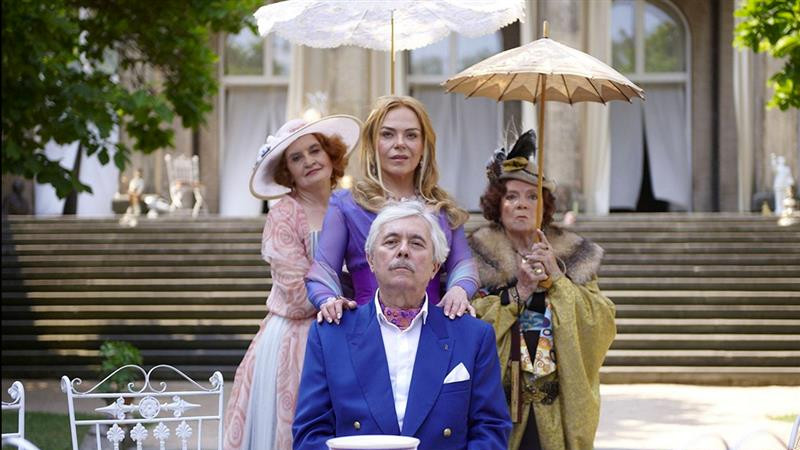
The only feature film directed by Václav Havel himself is an adaptation of his play of the same name Leaving (2011). The story of a former statesman refusing to leave his official residence becomes an absurdist meditation on the end of power, the fear of oblivion, and the inability to relinquish one's role. Leaving combines political satire, philosophical reflection, and autobiographical allusions, with many critics viewing it as Havel's belated, ironic farewell to politics.
Who is Vaclav Havel
Václav Havel (1936–2011) was a Czech playwright, essayist, dissident and politician, one of the leading voices of resistance against the totalitarian regime in Czechoslovakia and a key figure of the "Gentle Revolution". In 1989, he was the country's first democratically elected president, and later the first president of the Czech Republic. An author of plays marked by the absurdity and moral anxiety of the time, Havel remains a symbol of the belief that "living in truth" is a form of resistance.
With this special panorama, Sofia Film Festival pays tribute to a person whose wisdom still reminds us today that freedom is not a given, but a daily choice.
* * *
WE ARE WAITING FOR YOU at #CINEMA!
#30SofiaIFF